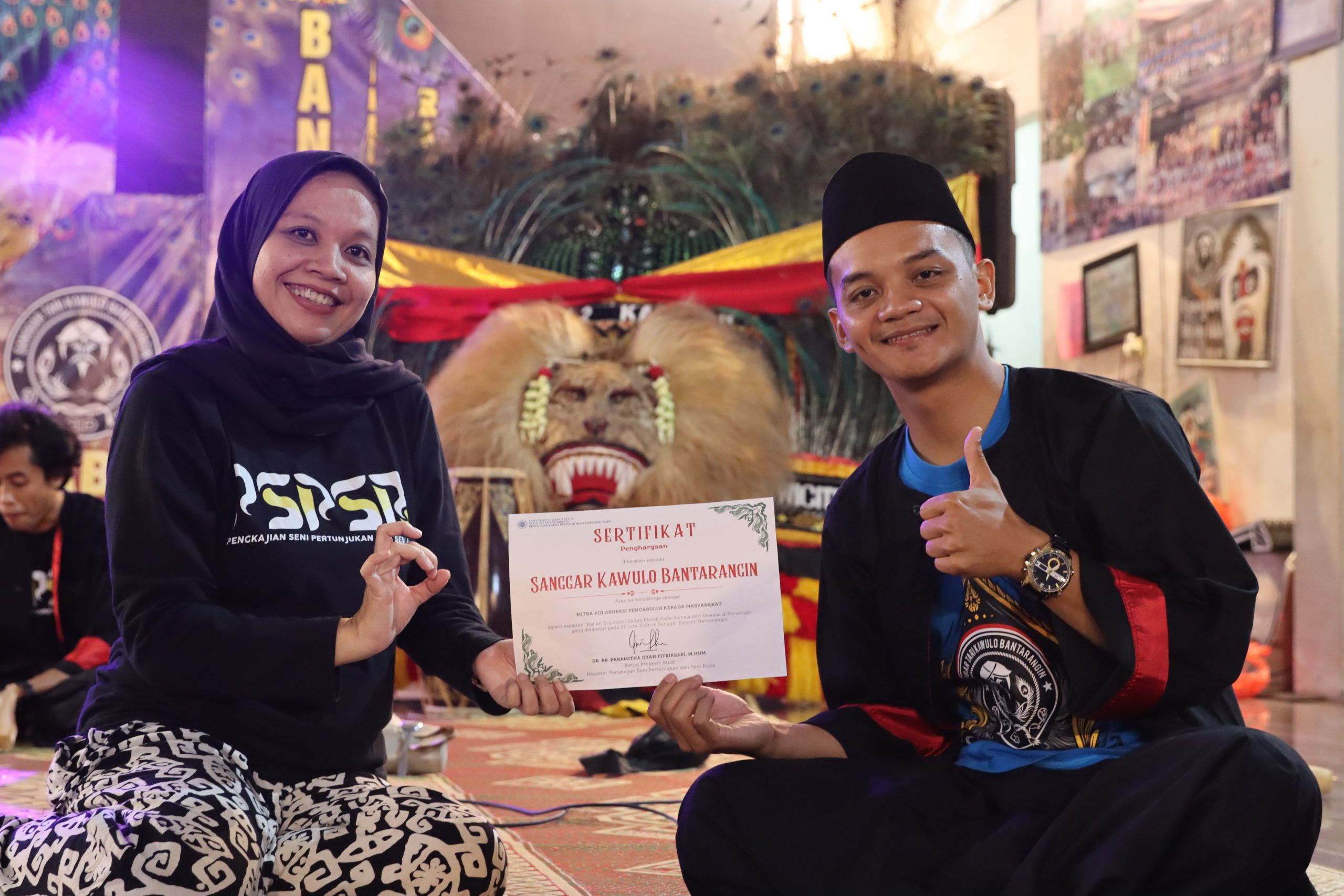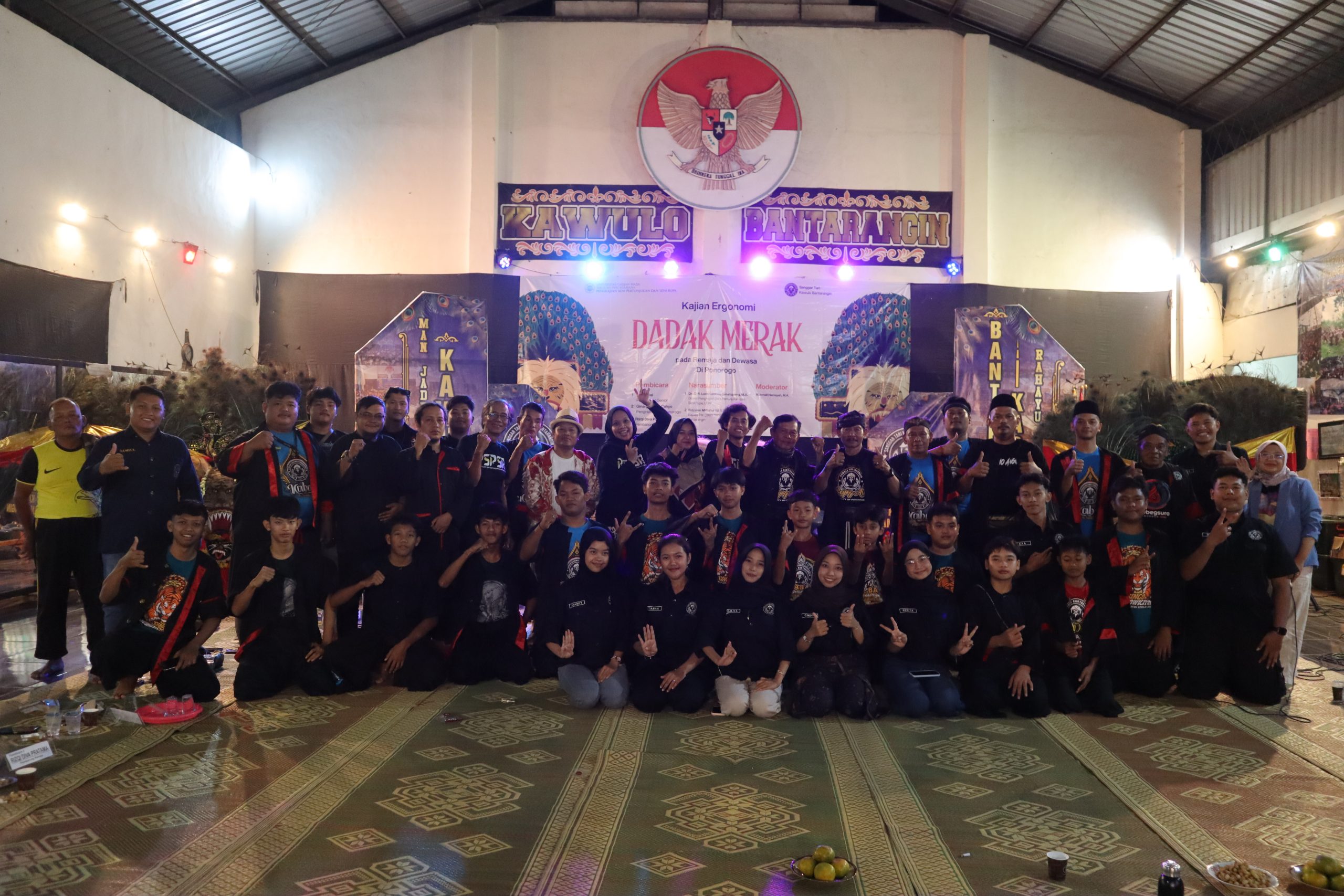
Ponorogo, 27 June 2026 – The Performing Arts and Visual Arts Studies Program at the Graduate School of Universitas Gadjah Mada conducted a workshop titled “Sarasehan Kajian Ergonomi Dadak Merak pada Remaja dan Dewasa di Ponorogo“. The activity was successfully executed in collaboration with the Kawulo Bantarangin Dance Studio, located in Kauman Village, Kauman District, Ponorogo, East Java. The workshop was conducted as part of a community service program, which served as a tangible manifestation of the study program’s dedication to the higher education thirdharma, specifically community service.
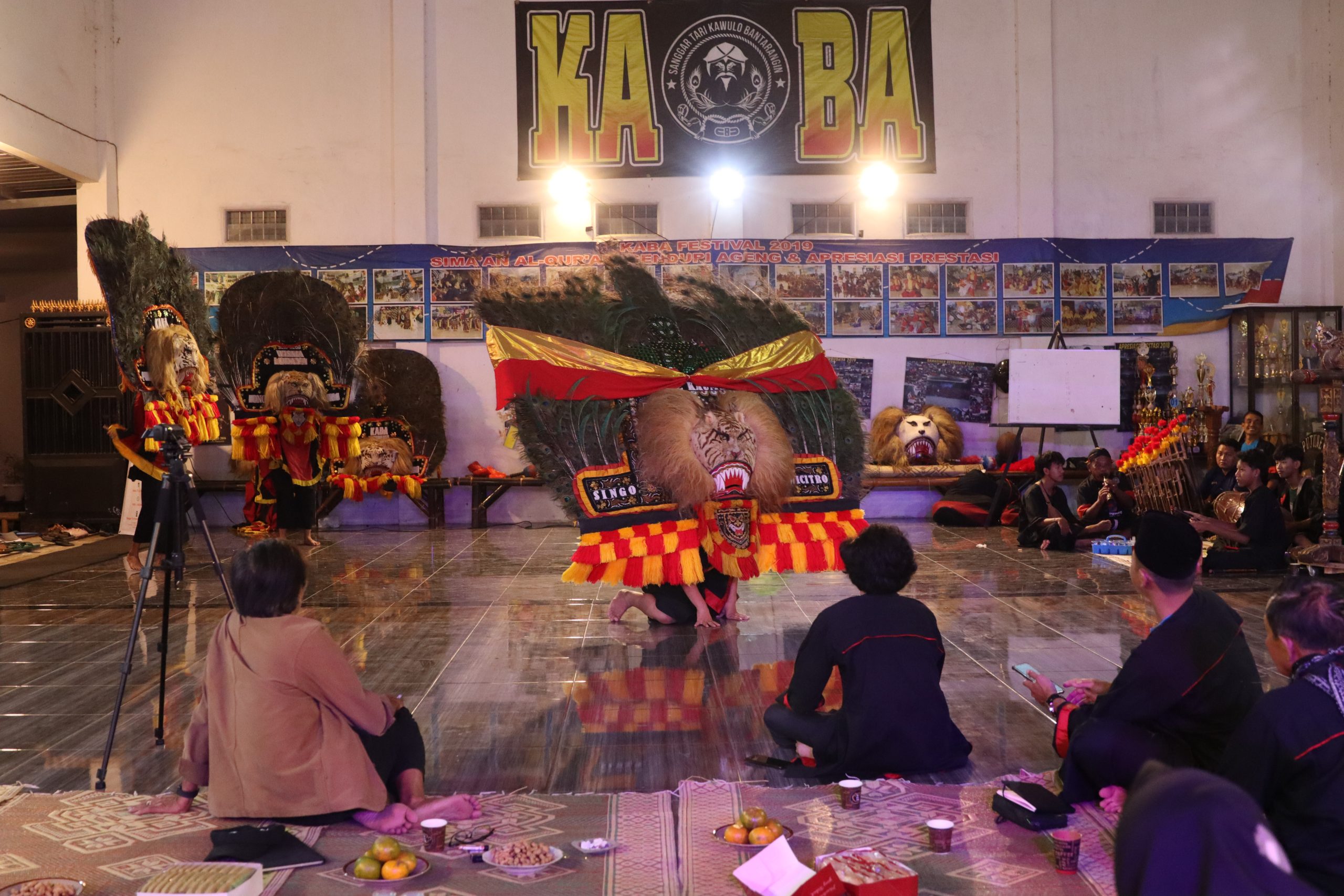
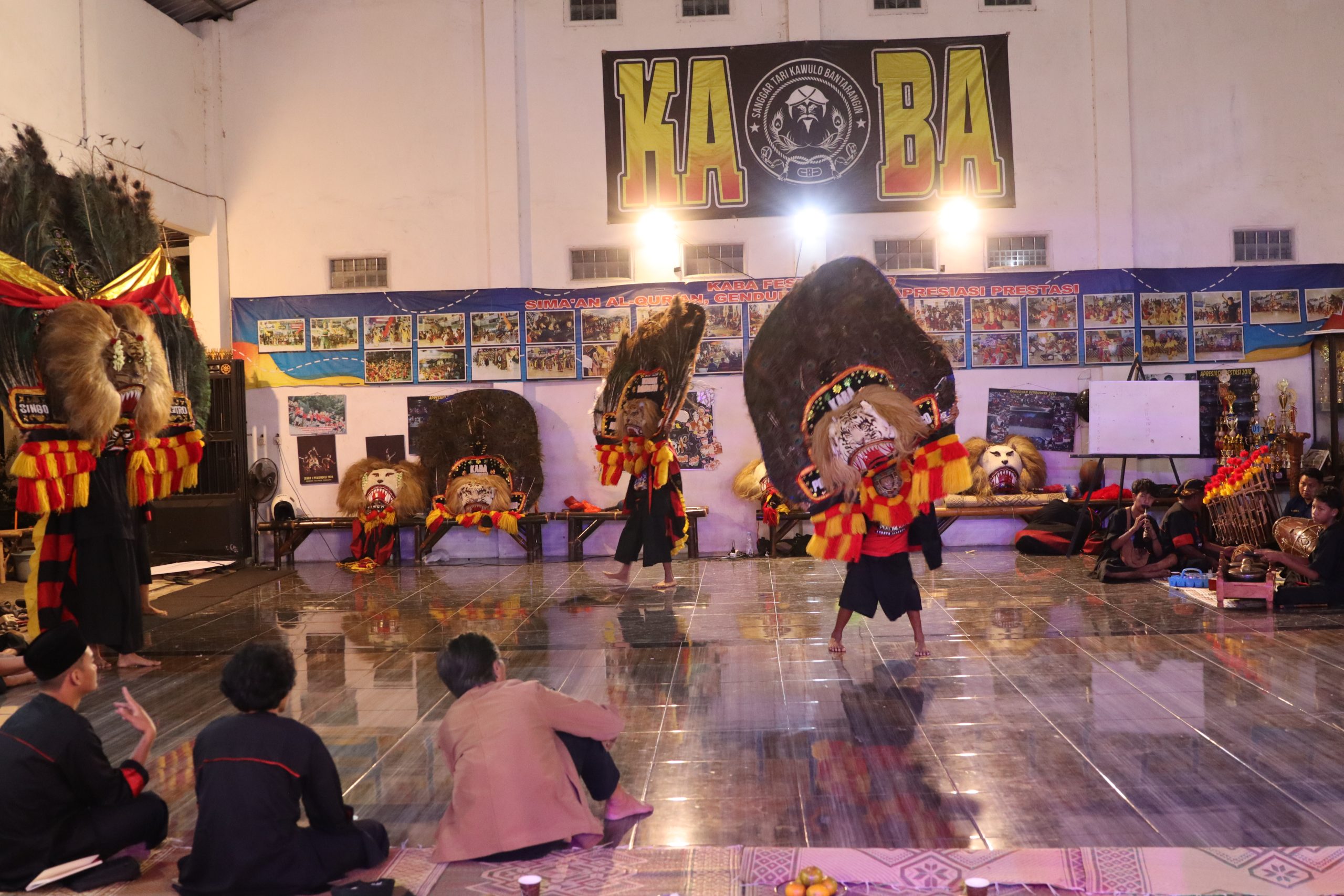
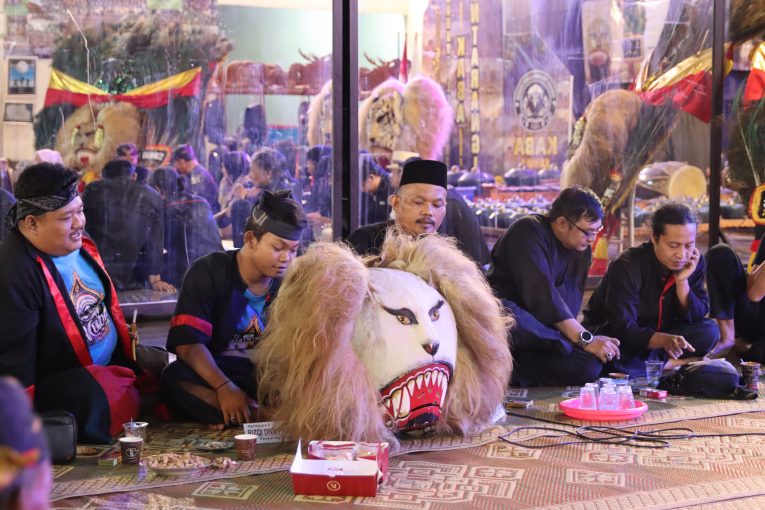
The workshop commenced with a performance of Reyog Ponorogo music by several students of the studio, along with their instructors. The presence of Mbah Molok, a senior selompret player, was also noted. He engaged in enthusiastic play with one of the students, who was still in junior high school. Following the musical performance, a visually stunning performance was given by the Pembarong, who performed the Dadak Merak mask. The dancers of the Singo Barong head masks were all under the age of 15, with some still attending elementary school. The Dadak Merak masks exhibited significant variation in size, ranging from miniature to adolescent-sized.
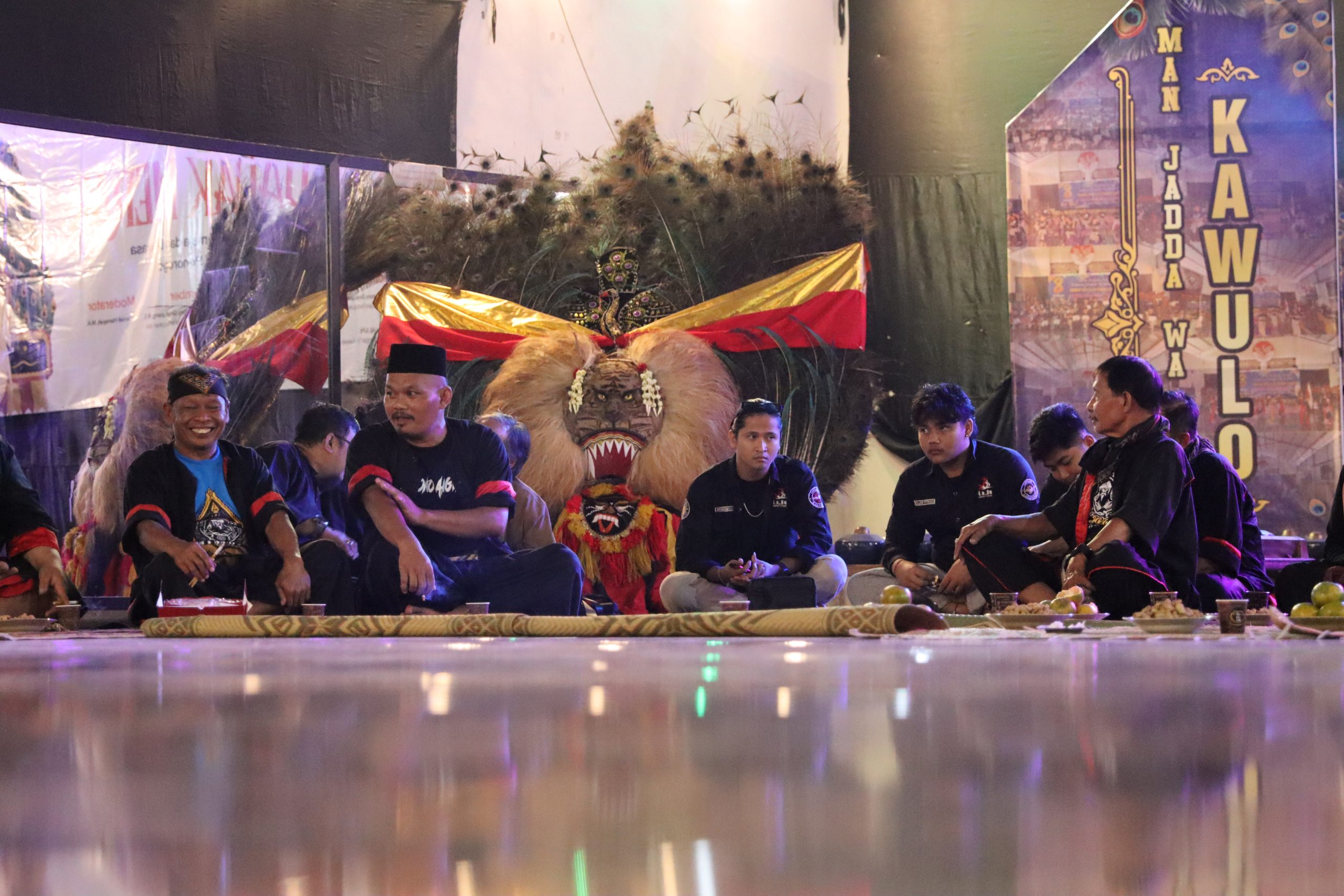
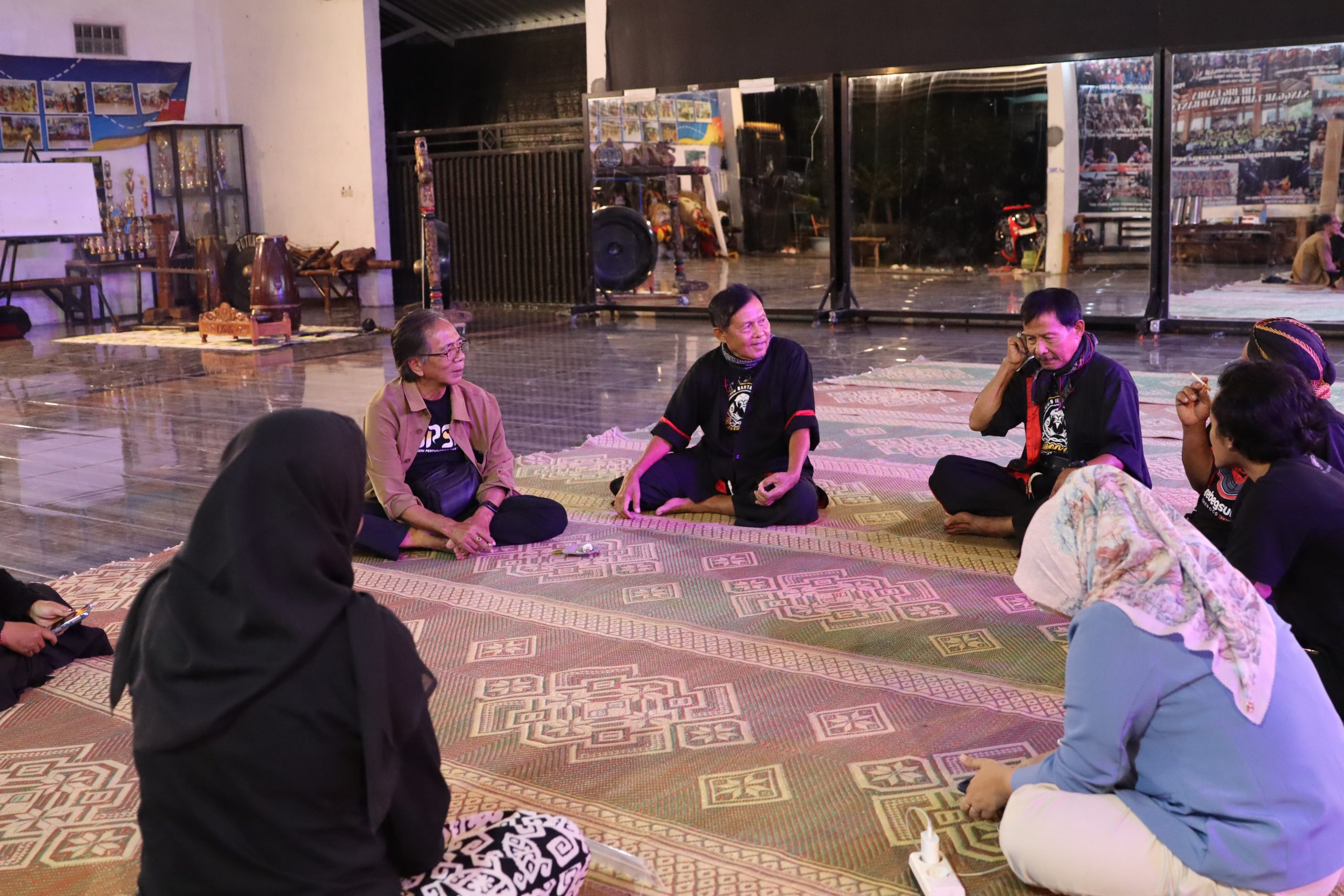
The activity proceeded with an interactive dialogue initiated by Dr. Heni Siswantari, who served as the MC. The interactive dialogue was overseen by M. Ismail Hamsyah, M.A., who served as the moderator. The speakers at the discussion were Nursamsi, a senior Pembarong; Rizqi Diva Pratama, a teenage Pembarong; and Ginanjar Heru Cahyo, a Reyog Ponorogo craftsman. Furthermore, the resource persons who were deemed experts included Dr. G. R. Lono Lastoro Simatupang, M.A., and Ridzwan Miftahul Aji, S.Pd. In addition, senior Pembarong Soewondo and Soewandi were invited to attend.
Each speaker then proceeded to recount their personal experiences regarding their initial encounters with the Dadak Merak mask, followed by a detailed exposition of the challenges they confronted during their dance performances. Heru, a practitioner of the craft, elucidated the intricacies of the mask, a subject that remains enigmatic to the public, including the Pembarong themselves. Mifta revealed that studies on the safety, security, and comfort of Dadak Merak mask had never been considered before, and many dancers were unaware of these issues. Dr. Lono Simatupang has asserted that the objective of this discourse is not the identification of immediate solutions, but rather the dissemination of knowledge concerning the considerations that are deemed pertinent. In the future, there is still an opportunity for follow-up on how the Dadak Merak mask can be improved from an ergonomic perspective.
This workshop aligns with the Sustainable Development Goals (SDGs), particularly in the following areas:
- SDG 3 (Good Health and Well-Being), which addresses the safety and well-being of the Singo Barong mask dancers.
- SDG 4 (Quality Education), which involves sharing knowledge and experiences among both dance practitioners and observers of the Reyog Ponorogo cultural arts.
- SDG 9 (Industry, Innovation, and Infrastructure), which discusses developments that can be implemented to ensure the safety and security of Reyog dancers.
- SDG 17 (Partnerships for the Goals), which fosters synergistic collaboration between academics, arts practitioners, and relevant institutions to support the safety and security of Reyog dancers. (IH)