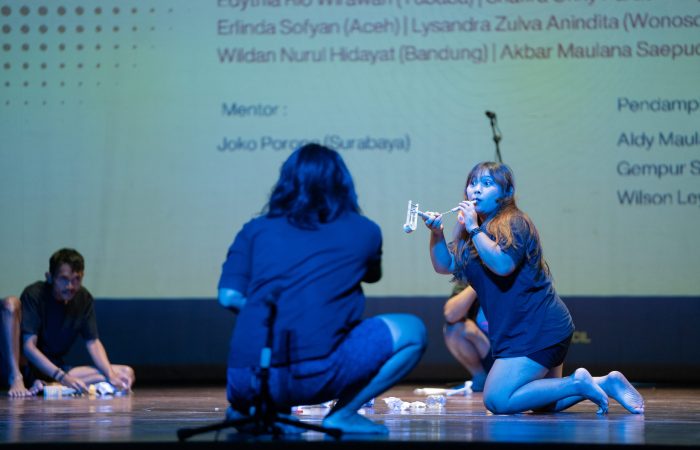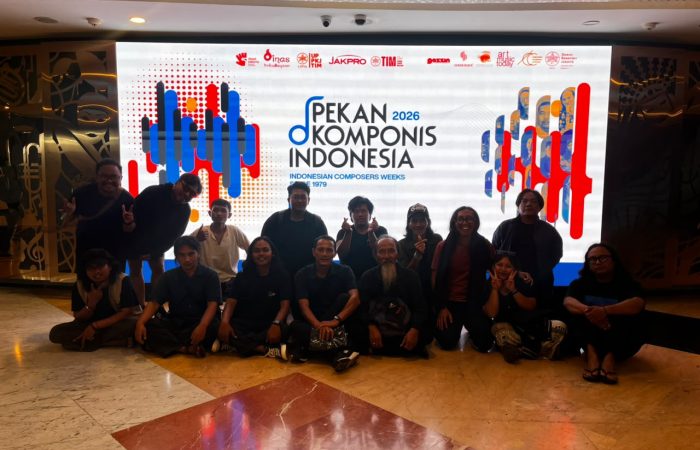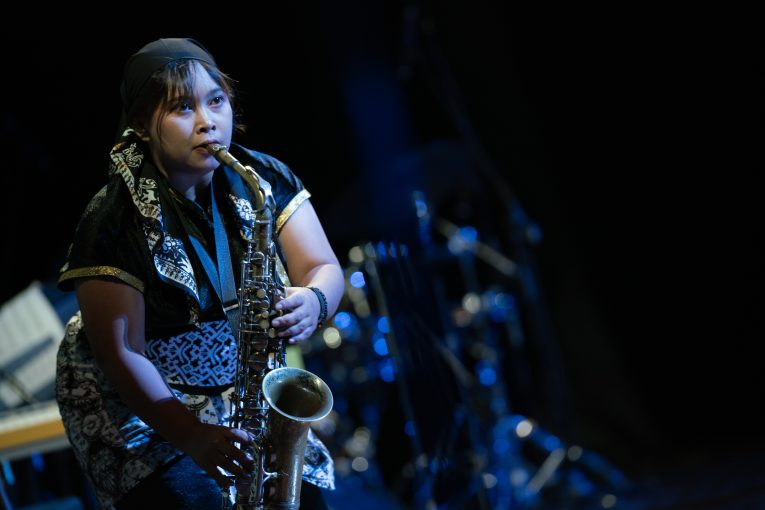
Jakarta, September 2026 — Lysandra Zulfa Anindita, a graduate student in the Master’s Program in Performing Arts and Visual Arts Studies (PSPSR) at Gadjah Mada University, has been selected as one of the young composers for the 2026 Indonesian Composers Week (Pekan Komponis Indonesia 2026) at Taman Ismail Marzuki. She presented awork titled “Gladhen Tempur: Embleg Dhem as a Repertoire of Survival” at the Concert of Works by 6 Young Composers from the Composers/ Performance Incubation Program of the 2026 Indonesian Composers Week (PKIna).
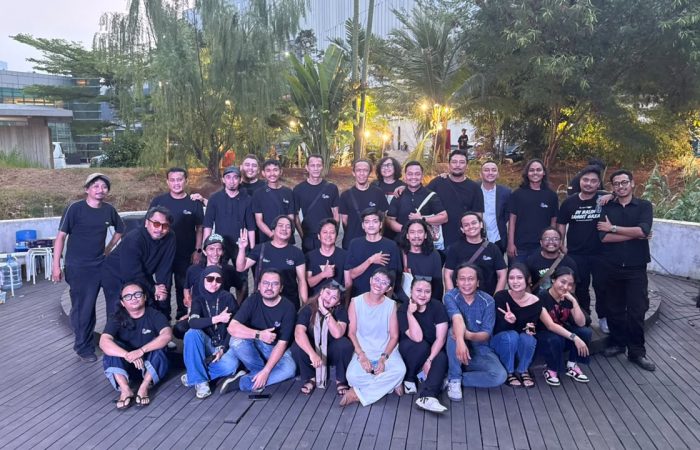
The 2026 Indonesian Composers Week was organized by the Music Committee of the Jakarta Arts Council (DKJ) in collaboration with the Management Unit of the Jakarta Arts Center Taman Ismail Marzuki (UP PKJ TIM) and the Indonesian Composers Collective (ICC) from September 21–27, 2026. Under the theme “Tala–Talu: Listening, Remapping, Extending,” PKIna 2026 brought together composers, musicians, performers, academics, communities, and the public to reexamine various possibilities in the practice of creating and developing Indonesian music. In this process, Lysandra collaborated with Edythia Rio (Tubaba) and Wildan (Bandung) on “Bende,” while she herself played the saxophone. Throughout the process, this work was also mentored by senior composer Joko Porong (Surabaya) and supported by Gempur Sentosa (Bandung), Wilson Leywantono (Medan), and Aldy Maulana (Yogyakarta).
Gladhen Tempur draws inspiration from Embleg Dhem, a traditional art form depicting a group of mounted soldiers training for battle. In this work, the experience of ‘tempur’ (translate: battle) is not interpreted literally, but rather as a metaphor for contemporary life, which is full of change, pressure, and uncertainty. From this, the idea emerges that Embleg Dhem is not merely used as a source of sound, but as a repertoire for exploring how humans cope with pressure and continually adapt to change.
The work Gladhen Tempur ultimately demonstrates that research and creation need not be treated as two separate realms. Knowledge of tradition can serve as a source of creation, while the creative process can function as another means to examine, interpretation, and re-examine that knowledge.
This activity also contributes to the Sustainable Development Goals, particularly regarding:
- SDG 4 (Quality Education): through the dissemination of ideas and concepts via a musical performance.
- SDG 17 (Partnerships for the Goals): through collaborative efforts with various artists to share knowledge and provide mutual opportunities for creative work. (LZA – IH)